“Manuel Querino (1851-1923): An Afro-Brazilian Pioneer in the Age of Scientific Racism” – A Review
This meticulously edited anthology serves as a long overdue tribute to Manuel Querino, a remarkable Afro-Brazilian intellectual who challenged the prevailing scientific racism of his era. By showcasing Querino’s multifaceted contributions across diverse fields such as history, sociology, art criticism, and public service, the anthology offers a captivating glimpse into the life and work of this trailblazing figure.
The collection brings together an impressive array of essays that delve into Querino’s intellectual legacy, contextualizing his work within the socio-political climate of 19th and early 20th century Brazil. Querino emerges not only as a scholar of exceptional calibre but also as a tireless advocate for social justice, dedicated to dismantling the racist ideologies that sought to marginalise Afro-Brazilians. His writings on Afro-Brazilian culture and history stand as a testament to his unwavering commitment to reclaiming and celebrating his rich ancestral heritage.
The anthology’s contributors offer insightful analyses of Querino’s most significant works, including his seminal study “The African Contribution to Brazilian Civilisation.” They also explore his writings on art history, showcasing his profound understanding of the aesthetic dimensions of Brazilian culture. By situating Querino’s ideas within their historical and intellectual context, the anthology illuminates his prescient challenge to scientific racism.
The book’s strength lies in its comprehensive and nuanced exploration of Querino’s intellectual contributions. It provides a much-needed corrective to the historical neglect of this important figure, while also highlighting the ongoing relevance of his ideas in contemporary debates on race and social justice.
While the anthology is a valuable resource for scholars and students of Afro-Brazilian studies, its dense and scholarly style may pose a challenge for general readers. Nonetheless, its significance as a testament to Manuel Querino’s extraordinary legacy cannot be overstated. This anthology serves as an essential contribution to our understanding of the complex and often-overlooked history of race and intellectual thought in Brazil.
*Produced by Gemini, with some tweaks from HI (human intelligence)
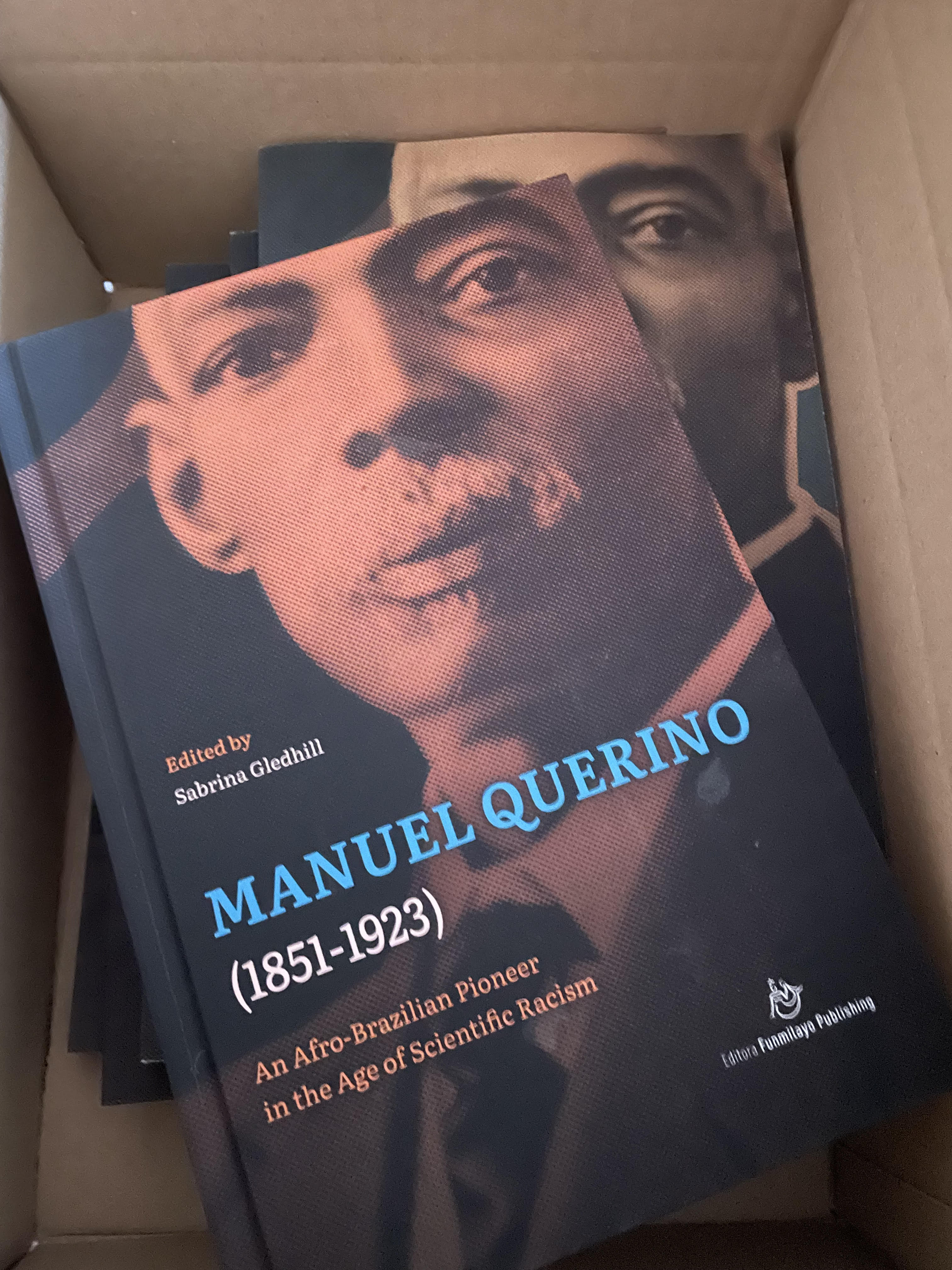
 Editora Funmilayo Publishing