On 13 May 1888, the “Golden Law” officially abolished slavery in Brazil – the last country in the Americas to do so. For abolitionists like Manuel Querino, it was a huge achievement. The following year, a coup overthrew the monarchy, exiled Pedro II and his family – including Princess Isabel, the signatory of the “Golden Law” – and established the First Republic. As a life-long republican, Querino must have felt that this, too, was a dream come true, the outcome of many hard-fought struggles. Unfortunately for him and, even more so, the people recently emancipated from slavery, the new republic did not represent a step forward for Black people or their culture. Instead, it viewed Afro-Brazilian culture as “backward” and many of its expressions were criminalised, including candomblé and capoeira. Worse, the new government defunded or closed schools that had once provided vocational and higher education that would have been accessible to the poor, including those whose emancipation brought no reparations. Querino was aware of this, protested it and even felt the consequences.
Because of all the difficulties, obstacles and challenges freed-persons faced during the post-Abolition period, 13 May has become a controversial date for Black activists and their allies. Is it really something to celebrate? Today, November is Brazil’s Black History Month. Black Consciousness Day is celebrated on 20 November, the date when Zumbi dos Palmares, the last leader of possibly the oldest and certainly the best known quilombo or maroon community, was betrayed and killed.
Despite the controversy, I am sure that Querino and many Black activists like him would have celebrated 13 May in his day as a major milestone in Brazilian history – one that he personally worked hard to achieve as a militant journalist and activist.
To learn more about Querino’s fight against racism and support for the education of freed-persons, read Black Atlantic Crossings and Manuel Querino (1851-1923), available on Amazon and other online booksellers.
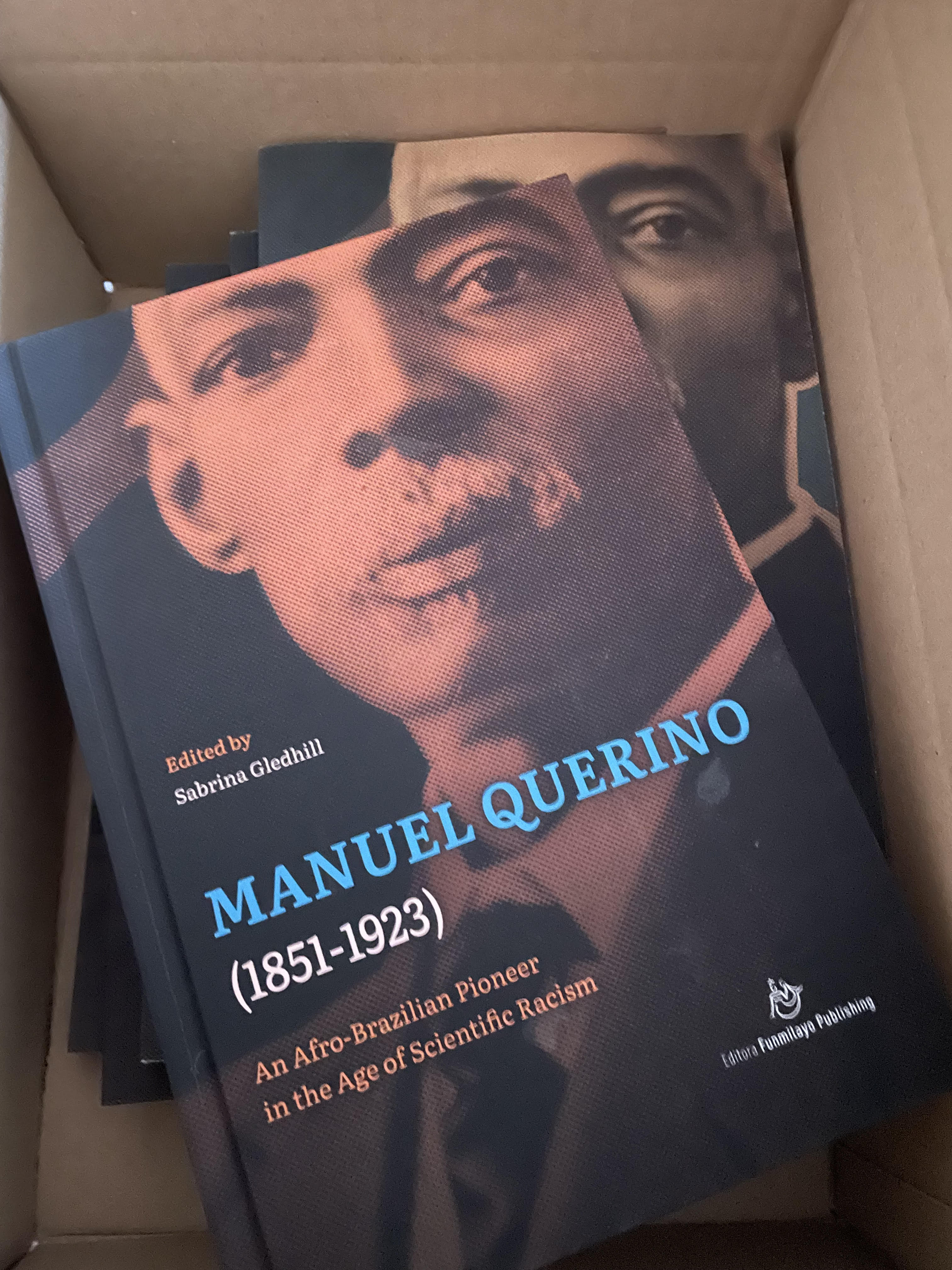
 Editora Funmilayo Publishing