From One Book to a Celebration: The Accidental Birth of the Unsung Heroes Series

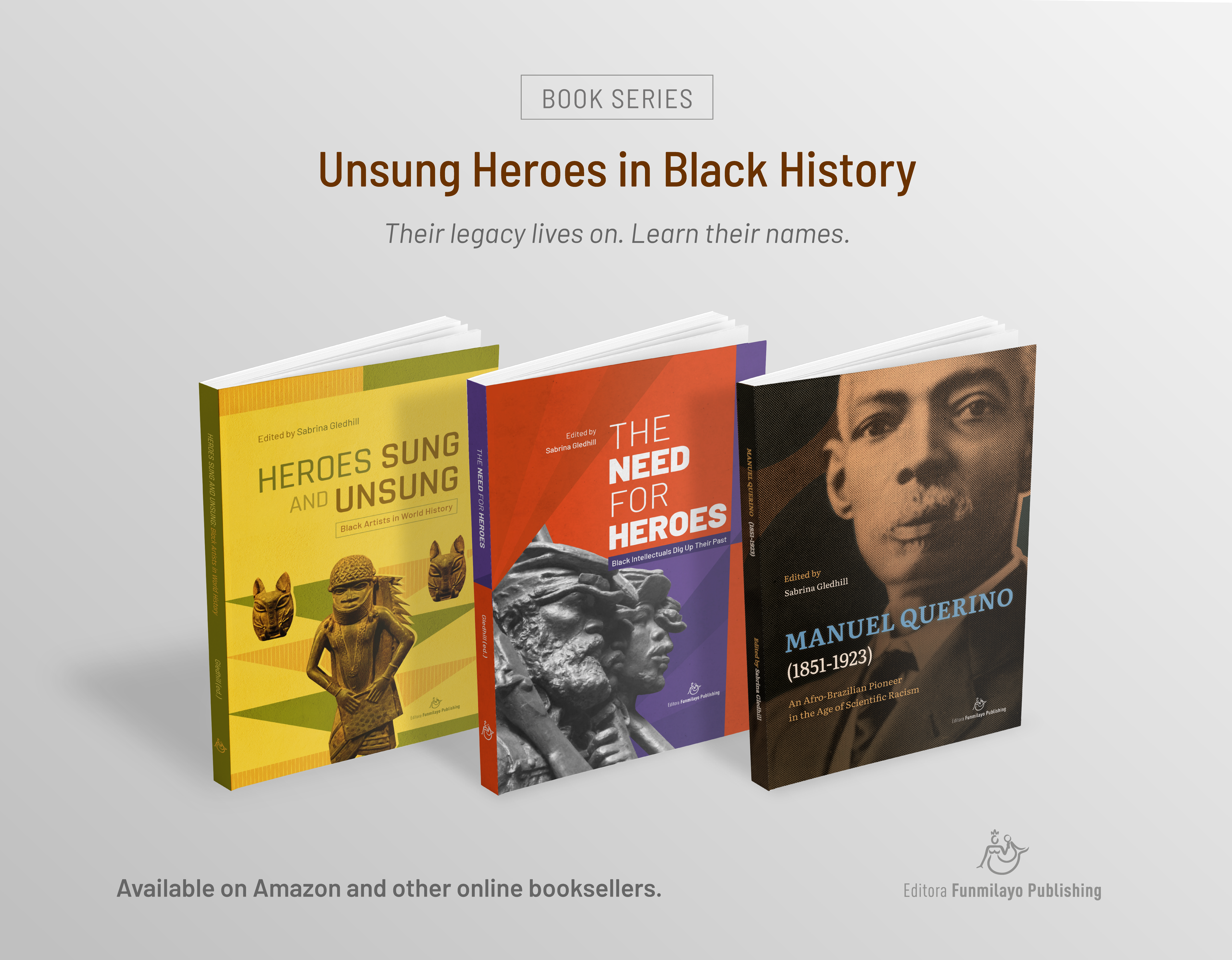
Three books in the Unsung Heroes in Black History Series

It all started with a deep dive into the life of Afro-Brazilian scholar Manuel Querino. I was fascinated by his work, but quickly realised one book couldn’t do justice to his vast contributions. That’s when the idea struck: an anthology, a collection of voices to paint a fuller picture.

That first book, published during the enforced idleness of lock-down, opened the door to something bigger. I found myself drawn to other forgotten heroes, their stories echoing Querino’s own. Carter G. Woodson, Arthur Schomburg, W. E. B. Du Bois, Booker T. Washington – these giants and others had also paved the way, challenging the same tired narratives about Black people.

One book became two, then three. The “Unsung Heroes” series was born, not from a grand plan, but from a genuine curiosity about the lives history tried to erase. These weren’t just stories about Black soldiers or maroons or artists; they were about resilience, about brilliance pushing back against erasure.

Querino himself was a target of this erasure, his legacy twisted to fit a convenient narrative. But we’re setting the record straight. The “Unsung Heroes” series isn’t just about remembering; it’s about reclaiming, about amplifying voices that have been silenced for far too long.

So, whether you’re discovering Querino for the first time or exploring the works of other trailblazers, I invite you to join me on this journey. Let’s rewrite the past, together.

Explore the Series:

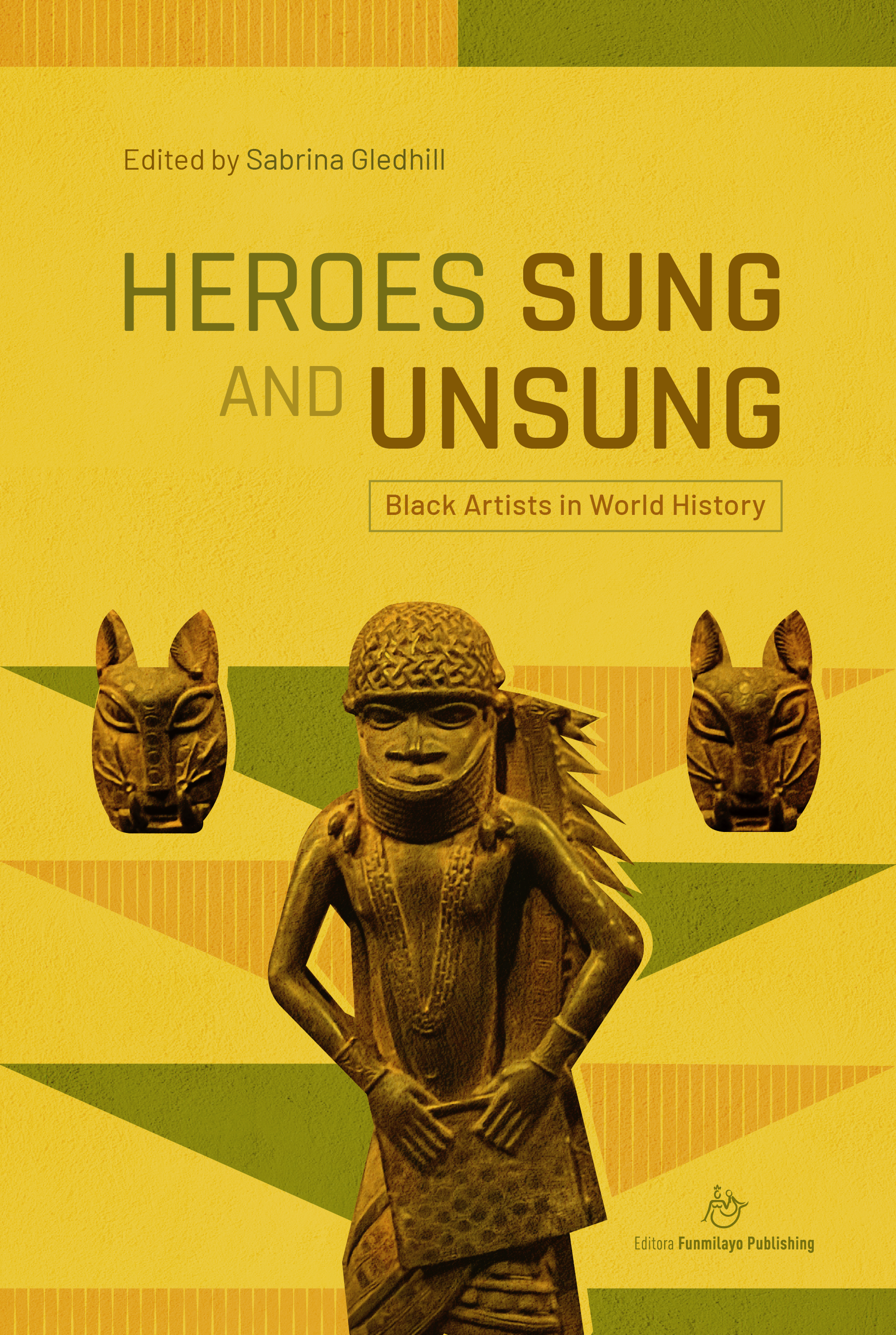
NEW: Heroes Sung and Unsung: Black Artists in World History

Manuel Querino (1851-1923): An Afro-Brazilian Pioneer in the Age of Scientific Racism

The Need for Heroes: Black Intellectuals Dig Up Their Past

Celebrating Black Artists in History

Heroes Sung and Unsung: Black Artists in World History

Prepare to be captivated and inspired by the untold stories of Black artistic brilliance across continents and centuries. “Heroes Sung and Unsung” is a groundbreaking anthology that shines a light on the hidden corners of art history, celebrating visionaries whose contributions have long been overlooked.

Delve into essays by figures like W.E.B. Du Bois, Booker T. Washington, Arthur Schomburg, Manuel Querino, and Benjamin Brawley, as they illuminate the struggles and triumphs of Black artists in their own words. From the foreword by Mark Steven Greenfield to the afterword by Ayrson Heráclito and Beto Heráclito, this lavishly illustrated volume is a testament to the enduring power of Black artistic expression.

Discover the breathtaking beauty of the Benin Bronzes, the evocative landscapes of forgotten painters, and the powerful verses of overlooked poets. This anthology pays homage to the sculptors, composers, photographers, and countless other artists whose works have shaped the world we know today.

From a guild of metalworkers in Africa to a sculptress who studied with Rodin. Famous writers who were “whitened” and nearly erased from Black history. A budding landscape artist who died too young. The Coleridge-Taylors: the father, a famous composer, the son of a Black physician from Sierra Leone and a White Englishwoman; and his daughter, also a composer, but whose music is only just being heard, some 80 years after it was written. You will find their stories and many more.

With essays unearthed through meticulous research and stunning visuals, “Heroes Sung and Unsung” is an essential addition to any library. It is a call to action, a reminder that the history of art is incomplete without the voices and visions of Black artists, both sung and unsung.

Order your copy today and join us in celebrating the hidden heroes of art history.

Available on Amazon and other online booksellers

As an Amazon bookseller, we earn from sales linked to this website.

Latest News

Thanks to Google Scholar, I’ve just discovered that academic journals have published reviews of two Funmilayo titles: Travessias no Atlântico Negro: Reflexões sobre Booker T. Washington e Manuel R. Querino (also published by Edufba in Brazil) and Manuel Querino (1851-1923): An Afro-Brazilian Pioneer in the Age of Scientific Racism, the anthology also published in Brazil by Sagga Editora.

Travessias was reviewed in the Bulletin of Latin American Research (BLAR) last October, and the review of the anthology just came out this month (August 2024) in the Hispanic American Historical Review (HAHR) in Portuguese.

Querino is finally reaching academic outlets outside Brazil. The first time, that I know of, was when E. Bradford Burns’s bibliographical essay about the Afro-Brazilian polymath came out in The Journal of Negro History in the 1970s (that essay is also included in the Manuel Querino anthology).

Meanwhile

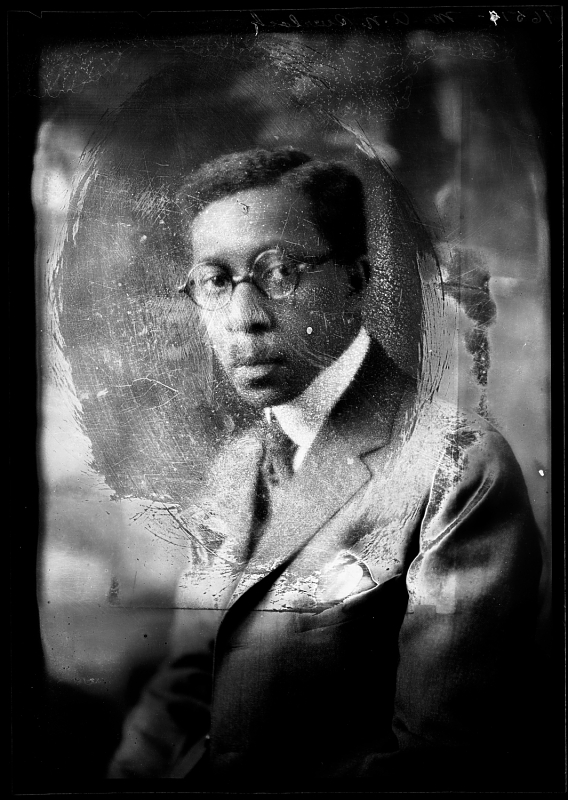
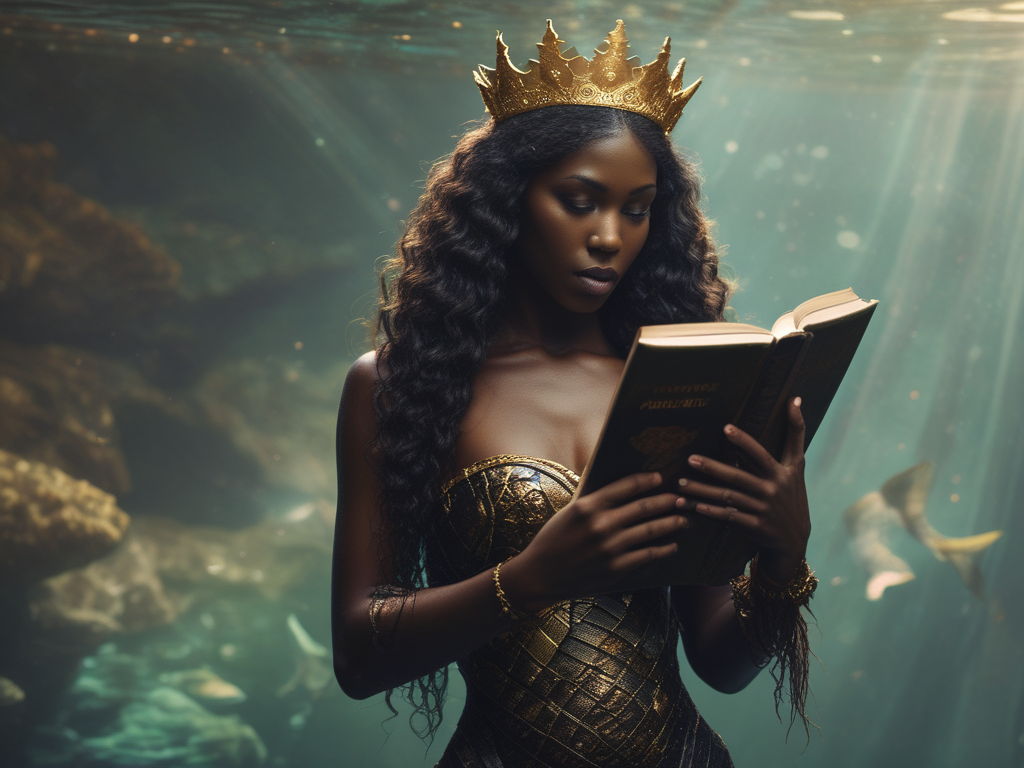
We’re putting the finishing touches on the latest addition to the Unsung Heroes in Black History series – Heroes Sung and Unsung: Black Artists in World History is in press and scheduled for publication in September. The illustrations include a self-portrait of the photographer Addison Scurlock (above). Here is another illustration, included in the afterword by Ayrson Heráclito and Beto Heráclito:

Xango Eyes, by Bauer Sá (reproduced with permission from the photographer)

From Brazil to The Bookery

Manuel R. Querino

Many had a productive ‘lockdown,’ but how many Kirtonians can say that they published three books in two languages and started a publishing house in their home office? “Well, technically, it’s two books,” the author and publisher observes, because she produced two editions of a similar collection of essays. Only one of those is in English, and it is now for sale at The Bookery in Crediton’s High Street.

It was in February 2020 that, while awaiting the birth of her second grandson, local resident Dr Sabrina Gledhill signed a contract in Brazil to publish a book in Portuguese based on her PhD thesis. That work, which Dr Gledhill is now translating and adapting for English-speaking readers, focusses on two Black leaders, Booker T. Washington in the US, and Manuel R. Querino in Brazil. The founder of what is now Tuskegee University, Washington is well known around the world, but he had been largely forgotten in Brazil. Querino, on the other hand, was famous in Brazil during his lifetime, but has only recently been re-evaluated and restored to his rightful place in the ranks of pioneering Brazilian anthropologists and art historians.

The book was launched in Salvador, Bahia, in September 2020. Despite travel restrictions and thanks to the wonders of the Internet, Dr Gledhill was able to promote the book from her library near Crediton, from where she took part in round-table discussions and gave interviews to Brazilian TV and radio hosts.

Asked when she would start publishing in English, which is, after all, her native tongue, Dr Gledhill then edited a collection of essays on Manuel Querino by E. Bradford Burns and Jeferson Bacelar (respectively her MA and PhD supervisors) and other authors, including her own work, which had been published in Brazilian peer-reviewed journals. The reasoning was that Querino’s activities were so varied that it takes a number of specialists to do them justice. Dr Gledhill translated most of the essays from Portuguese into English, but since she already had the originals in Portuguese ready for publication, she thought, why not publish a Brazilian edition as well?

The result was that, by the end of 2021, when travel restrictions eased and she was finally able to visit her Brazilian family again, two more books were released in Brazil and the UK. The publisher of the English edition is Editora Funmilayo Publications, based in Crediton. Manuel Querino (1851-1923): An Afro-Brazilian Pioneer in the Age of Scientific Racism is available as an e-book, and in paperback and hardback editions on Amazon, Alibris and, of course, at The Bookery.

Published in the Crediton Courier on 25 August 2022

O resgate de Manuel Querino

Intelectual afrodescendente lutou contra os estereótipos de sua época e valorizou a contribuição do negro na formação do Brasil

Suzel Tunes, da Revista Pesquisa FAPESP

Na introdução de seu livro Artistas baianos, publicado em 1911, Manuel Raymundo Querino escreveu: “A Bahia possui muita preciosidade na poeira do esquecimento”. Durante muito tempo, a memória do artista, historiador, etnólogo, escritor e político negro, nascido livre em 1851 – antes, portanto, da abolição da escravatura –, também ficou imersa nessa poeira.

Querino desfrutou de surpreendente prestígio na sociedade onde imperavam ideologias racistas: sua morte, em 1923, foi registrada por vários jornais, e a seu enterro compareceram políticos e representantes do Instituto Geográfico e Histórico da Bahia e da Escola de Belas Artes. Mas com o passar dos anos sua imagem foi sendo desvalorizada, até o esquecimento. Pioneiro em diversas áreas do saber, começou a ser rotulado como autodidata. “Na época, seria o mesmo que dizer que ele era iletrado. Seus livros começaram a ser chamados de opúsculos”, relata a historiadora inglesa Sabrina Gledhill, ainda indignada com a indiferença, mais de 40 anos depois de ter começado a estudar essa figura histórica.

Hoje, a academia reconhece Querino como o primeiro historiador da arte na Bahia e um dos pioneiros no estudo de história da arte no Brasil. Autor de um dos primeiros livros sobre culinária baiana, participou da criação, como aluno fundador, do Liceu de Artes e Ofícios da Bahia e da Escola de Belas Artes e criou dois jornais (A Província, em 1887, e O Trabalho, em 1892). Foi um dos fundadores da Liga Operária Baiana (1876) e do Partido Operário (1890) e conselheiro municipal de Salvador.

Sua contribuição mais marcante, como os pesquisadores são unânimes em identificar, está nos textos em que destaca o protagonismo dos africanos e de seus descendentes na formação da sociedade brasileira. “Ele desmentiu a ideia de que o escravizado havia sido uma mão de obra passiva, detalhando os conhecimentos trazidos da África, inclusive sobre mineração. Nenhum afrobrasileiro, até então, havia expressado sua perspectiva da história do Brasil”, afirma Gledhill.

Antes de Querino, apenas dois intelectuais de ascendência europeia – o advogado fluminense Alberto Torres (1865-1917) e o médico sergipano Manoel Bonfim (1868-1932) – haviam contestado teorias como o “racismo científico” e o “darwinismo social”. Essas pseudociências postulavam a superioridade europeia numa escala evolutiva e condenavam a miscigenação, afirmando que a mistura de raças provocava a degeneração física e intelectual do povo.

Foi nesse contexto que Manuel Querino publicou o livro O colono preto como fator da civilização brasileira, em 1918, no qual afirmava: “o Brasil possui duas grandezas reais: a uberdade do solo e o talento do mestiço”. Foi graças a essa frase que Gledhill descobriu Querino, nos anos 1980. Ela buscava um tema para seu mestrado em estudos latino-americanos pela Universidade da Califórnia em Los Angeles (Ucla), nos Estados Unidos. “Eu estava lendo Tenda dos milagres, de Jorge Amado [1912-2001], ainda em inglês, e encontrei essa citação de Querino como epígrafe do livro. Quis saber quem era ele e fui perguntar ao meu orientador [o historiador norte-americano Edward Bradford Burns].” Burns (1933-1995) conhecia bem o personagem; fora o primeiro pesquisador estrangeiro a estudar a vida e a obra de Manuel Querino, ainda na década de 1970. Estava escolhido o objeto de pesquisa de Gledhill.

Chegando ao Brasil, já em busca de um tema para o doutorado, Gledhill conheceu pessoalmente Jorge Amado: “Ele me confirmou que Querino foi uma das inspirações para a criação do personagem Pedro Archanjo, de Tenda dos milagres”. No livro, lançado em 1969, Archanjo é um pesquisador mestiço que tem, como seu principal opositor, o catedrático Nilo Argolo, arauto da superioridade da raça branca – inspirado no antropólogo e médico Raimundo Nina Rodrigues (1862-1906), um dos primeiros a abordar a influência africana na cultura brasileira e expoente brasileiro do movimento eugenista, que pregava contra a miscigenação.

“Jorge Amado retrata Pedro Archanjo como uma pessoa múltipla e assim era Manuel Querino. Ele não foi um só, foi vários”, diz a historiadora Maria das Graças de Andrade Leal, da Universidade do Estado da Bahia (Uneb) e autora de um amplo estudo biográfico sobre o baiano que transitava em diversos espaços sociais, como operário e intelectual adepto do candomblé e defensor da capoeira. “Por meio de sua vida, a vida de muitos outros afrodescendentes pôde ser trazida à luz, possibilitando uma versão da história pela ótica do oprimido.”

Nascido em Santo Amaro da Purificação, em 28 de julho de 1851, aos 4 anos Querino ficou órfão de mãe e pai, vítimas de uma epidemia de cólera. De acordo com as pesquisas de Leal, uma vizinha o teria acolhido, mas, sem condições de mantê-lo, solicitou ajuda ao Juiz de Órfãos, prática comum à época. O juiz encaminhou a criança ao professor, jornalista e político Manoel Correia Garcia (1815-1890), nomeando-o seu tutor. “Na epidemia de cólera, houve o movimento de uma determinada elite baiana para tutelar crianças órfãs, que foram muitas”, diz ela. O menino não morou com o tutor, mas ele custeou seus estudos – o que, certamente, definiu os rumos de sua história.

“O estudo salvou a vida dele”, afirma Gledhill. Aos 17 anos, Querino foi recrutado para a Guerra do Paraguai (1864-1870). Ele estava, então, no Piauí – ao que tudo indica, fugindo do recrutamento forçado a que eram sujeitos os homens livres pobres. Conseguiu não ir para o front, provavelmente por ser um dos poucos soldados que sabia ler e escrever. Serviu como escrevente no Rio de Janeiro e, ao final da guerra, voltou a Salvador.

Querino trabalhava durante o dia como pintor-decorador e estudava à noite. Cursou humanidades no Liceu de Artes e Ofícios da Bahia e desenho na Academia de Belas Artes. Na Academia, que passaria a se chamar Escola de Belas Artes no período republicano, recebeu o diploma de desenhista em 1882. Prosseguiu para o curso de arquitetura, mas não pôde concluí-lo pela ausência de professores que lecionassem as duas últimas disciplinas que faltavam para sua formação. Ainda assim, seu primeiro trabalho acadêmico foi divulgado pela imprensa local: o projeto “Modelos de casas escolares adaptadas ao clima do Brasil”, elaborado em 1883 para o Congresso Pedagógico do Rio de Janeiro.

Querino começou sua atuação política a partir do movimento operário. Segundo o museólogo e historiador de arte Luiz Alberto Ribeiro Freire, da Universidade Federal da Bahia (UFBA), o convívio com o meio intelectual não o fez rechaçar suas origens e expressões da cultura popular. Práticas populares como o samba, o candomblé e a capoeira, reprimidas pelo governo no afã de branquear e civilizar a sociedade, foram valorizadas em seus escritos. “Em geral havia uma espécie de aculturação quando pessoas das camadas populares chegavam às instituições da elite; elas adquiriam a ideologia hegemônica. Mas Querino nunca deixou de se posicionar na classe social como artista operário”, diz Freire. Em 1874, com apenas 23 anos, seria um dos fundadores da Liga Operária Baiana.

Após se formar, ele foi professor de desenho industrial no Liceu de Artes e Ofícios, além de pintor-decorador. Segundo ele mesmo descreve no livro Artistas baianos – Indicações biográficas, seus trabalhos incluíam a pintura de casas públicas e particulares, bondes e do hospital da Santa Casa de Misericórdia. Ele foi auxiliar do pintor espanhol Miguel Navarro y Cañizares (1834-1913), responsável pelas imagens do pano de boca do Teatro São João. Freire explica que o pintor-decorador pintava murais artísticos em paredes, e não se preservou nenhum registro desses trabalhos. Já o pano de boca (pintura feita em tecido para cobrir o palco do teatro antes da apresentação) queimou-se em um incêndio que destruiu o Teatro São João, em 1923.

O maior legado do intelectual baiano está, portanto, em seus estudos sobre história, cultura e folclore da Bahia e do povo africano. “Nina Rodrigues e Manuel Querino foram considerados as maiores autoridades sobre a cultura afrobaiana por seus contemporâneos”, afirma Gledhill. Enquanto Rodrigues continuou lembrado e reverenciado, Querino começou a ser menosprezado pela academia ou tratado com paternalismo. O médico e etnólogo Artur Ramos (1903-1949) o classificou como um “pesquisador honesto, um trabalhador incansável”, mas “sem o rigor metodológico e a erudição científica de Nina Rodrigues”. Para a pesquisadora, racismo e preconceito de classe explicam a atitude.

Freire avalia que a maior facilidade de acesso de afrodescendentes à universidade, sobretudo a partir dos anos 2000, possibilitou o resgate. Desde 2014 ele coordena um projeto que vem dando continuidade ao trabalho do primeiro historiador da arte baiana: o Dicionário Manuel Querino de arte na Bahia. O dicionário eletrônico foi criado por um grupo de pesquisadores da UFBA e da Universidade Federal do Recôncavo da Bahia (UFRB), com apoio da Fundação de Amparo à Pesquisa do Estado da Bahia (Fapesb). Conta com 362 verbetes sobre artistas que nasceram ou trabalharam no estado, além de movimentos e patrimônios artísticos do estado. “A maior conquista do dicionário foi honrar a memória de Manuel Querino, levando o seu trabalho adiante”, diz Freire, que já tem um novo projeto em mente, só esperando pela aposentadoria do magistério, daqui a dois anos. “Minha ideia é publicar uma Caixa Querino, reunindo todos os seus livros e os que falam sobre ele.”

No campo do audiovisual, Querino também tem herdeiros. Em 2023, no centenário de sua morte, foi lançado o documentário Querino – 100 anos, no YouTube. O filme é uma produção independente, com recursos captados por meio do site de financiamento coletivo Catarse, com direção de Isis Gledhill, que herdou da mãe, Sabrina, a paixão pela história de seu conterrâneo. Isis nasceu e cresceu em Salvador, cidade que, além de palco de pesquisa, se tornou um lar para Sabrina ao longo de 28 anos.

Com o mesmo propósito de incluir o negro na história como protagonista, em agosto de 2022 foi lançado o Projeto Querino, uma série de podcasts criada pelo jornalista Tiago Rogero e desenvolvida por uma equipe de 40 pessoas. Com produção da Rádio Novelo, o projeto com oito episódios ganhou versão escrita pela revista Piauí e foi um dos vencedores do Prêmio Jornalístico Vladimir Herzog de 2023, na categoria Produção Jornalística em Áudio.

A iniciativa é inspirada no “1619 Project”, da jornalista norte-americana Nikole Hannah-Jones, que reformula a história dos Estados Unidos a partir das consequências da escravidão: 1619 é o ano em que os primeiros escravizados chegaram ao país. Quando Rogero e equipe conheceram a história de Querino – retratada no episódio 4, em que se discute o direito à educação –, encontraram o nome ideal para o projeto brasileiro. “Ele simboliza muito o que a gente tentou fazer em vários aspectos, contando a história do Brasil sob um olhar afro-centrado, algo que já fazia no final do século XIX e começo do século XX”, comenta o jornalista.

E novos projetos influenciados pelo intelectual multifacetado estão a caminho. Com a parceria da Fundação Itaú Social e do Centro de Estudos das Relações de Trabalho e Desigualdades (Ceert), o conteúdo do podcast jornalístico está sendo adaptado para uso em sala de aula, com sugestão de atividades e leituras complementares. Rogero também escreveu um livro aprofundando o conteúdo do podcast (que deverá ser lançado em setembro, pela Editora Fósforo) e já fechou outro contrato para a publicação de uma graphic novel de ficção. “Ela será ambientada no ‘universo’ do Projeto Querino, parte de um esforço para alcançar também públicos mais jovens”, revela o autor.

Artigo científicos GLEDHILL, Sabrina. Representações e respostas: Táticas no combate ao imaginário racialista no Brasil e nos Estados Unidos na virada do século XIX. Sankofa ‒ Revista de História da África e de Estudos da Diáspora Africana. São Paulo, Brasil, v. 4, n. 7, p. 45–72, 2011.

Livros GLEDHILL, Sabrina (org.). (Re)apresentando Manuel Querino 1851-1923: Um pioneiro afrobrasileiro nos tempos do racismo científico. Editora Funmilayo, 2021. GLEDHILL, Sabrina. Travessias no Atlântico negro: Reflexões sobre Booker T. Washington e Manuel R. Querino. Salvador: EDUFBA, 2020. LEAL, M. G. A. “Manuel Querino: Entre letras e lutas Bahia 1851-1923.” Tese apresentada ao Programa de Estudos Pós-graduados em história da Pontifícia Universidade Católica de São Paulo (PUC-SP) para obtenção do título de doutor em história social, 2004. Editado em 2009 pela editora Annablume (esgotado). QUERINO, Manuel. A arte culinária na Bahia. Salvador: Progresso Editora, 1957. QUERINO, Manuel. O colono preto como fator da civilização brasileira. São Paulo: Cadernos do Mundo Inteiro. 2 ed. 2018. QUERINO, Manuel. Artistas bahianos. Indicações biographicas. Bahia: Officinas de Empreza. 2 ed. 1911. QUERINO, Manuel. A raça africana e os seus costumes. Salvador: Livraria Progresso Editora. Coleção de Estudos Brasileiros, 1955.

Este texto foi originalmente publicado por Pesquisa FAPESP de acordo com a licença Creative Commons CC-BY-NC-ND. Leia o original aqui.

Unsung Heroes: The Legacy of Manuel Querino and Beyond

The next addition to the
Unsung Heroes series

I launched the Unsung Heroes in Black History series without realising it was a series at all. It started with an anthology on Manuel Querino, the Afro-Brazilian scholar I have been studying and writing about since the 1980s. I realised that Querino’s activities were so varied, covering a gamut of specialisms, that it is impossible for one person to write authoritatively about them all. Fortunately, I had access to writings by E. Bradford Burns (the first bibliographic essay on Querino published in English), Jeferson Bacelar and Carlos Doria (on his pioneering study of Bahian cuisine), Eliane Nunes (on his contributions to art history), Jorge Calmon (on his involvement in labour mobilisation and politics), and Christianne Vasconcellos (on his use of photographs in anthropology) to add to essays of my own that had appeared in Brazilian peer-reviewed journals and books over the years. The result was a compendium that has been published in Portuguese (without Burns’s essay, due to translation right issues) and English, and has been very well received.

That book was published in 2021, during the Covid pandemic. Lockdown was a wonderful opportunity to focus on organising and translating the anthology. In the years since, I have worked on translating and updating a monograph based on my PhD thesis, which has been in peer review since September of last year. The Unsung Heroes series began with the second volume, which I first approached as “something to do” while awaiting the verdict on my own book. It all started with Querino, naturally. I had originally intended to publish my translation of one of his most significant works (for me), O colono preto como fator da civilização brasileira, translated as The African Contribution to Brazilian Civilisation.

First, I was intrigued by parallels between Querino’s story and that of Arthur (born Arturo) Schomburg. Then, I started wondering which works by W. E. B. Du Bois, Carter G. Woodson, Booker T. Washington, and other Black thinkers were comparable to Querino’s essay, which demands recognition for the achievements of Africans and their descendants. Instead of being seen as passive sources of manual labour, Querino asserted that they contributed knowledge they brought from their homelands, like mining and metalworking, as well as helping protect Brazil’s territorial integrity as soldiers. He also emphasised their ingenuity and courage in breaking free from the bonds of slavery to form their own communities, known as quilombos in Brazil.

That initial curiosity led to a gold mine of works on Black soldiers and maroons, which I added to Querino’s essay to produce The Need for Heroes: Black Intellectuals Dig Up their Past, published in June 2024. I realised that the concept of Unsung Heroes, inspired by the title of Elizabeth Ross Haynes’s book of children’s stories, extended to the anthology on Querino. He was well known in life, having achieved such renown in Brazil that several newspapers published his obituary in his home state (Bahia), Rio de Janeiro, and other parts of the country. Representatives of trade unions and academia attended his funeral, which was also covered by the press. But since the 1930s, he had been gradually forgotten, and if remembered at all, thought of as a lightweight scholar, the minor author of a few pamphlets, and even illiterate. There seemed to have been a deliberate effort on the part of the “hegemonic narrative” to rewrite his story as that of a poor, ill-educated Black man who made a stab at anthropology but didn’t quite succeed. This disinformation was convenient because he already contradicted the commonly held notion that all Blacks in Brazil were enslaved until Abolition in 1888, and since then had been nothing but vagrants, thieves, and scoundrels – an image still maintained in the media.

While the eminent Brazilian historian Flavio Gomes was writing the afterword for The Need for Heroes (it was worth the wait), I started putting together works that hadn’t quite fit in that collection and adding many more. Once again, I started with Querino, who is considered the Brazilian Vasari because his pioneering works on the history of art in Bahia were based on biographies of artists. The result was Heroes Sung and Unsung: Black Artists in World History, a compendium of works by Arthur Schomburg, W. E. B. Du Bois, Booker T. Washington, Benjamin Brawley, James M. Trotter, and others, with a foreword and afterword by two brilliant contemporary artists, respectively Mark Steven Greenfield and Ayrson Heraclito. It is due for publication in September 2024. In the meantime, Manuel Querino (1851-1923): An Afro-Brazilian Pioneer in the Age of Scientific Racism and The Need for Heroes are available in paperback, hardcover, and Kindle e-book editions through Amazon and other online booksellers.

Sabrina Gledhill

AI Reviews “Manuel Querino” Anthology*

Manuel Querino (1851-1923): An Afro-Brazilian Pioneer in the Age of Scientific Racism” – A Review

This meticulously edited anthology serves as a long overdue tribute to Manuel Querino, a remarkable Afro-Brazilian intellectual who challenged the prevailing scientific racism of his era. By showcasing Querino’s multifaceted contributions across diverse fields such as history, sociology, art criticism, and public service, the anthology offers a captivating glimpse into the life and work of this trailblazing figure.

The collection brings together an impressive array of essays that delve into Querino’s intellectual legacy, contextualizing his work within the socio-political climate of 19th and early 20th century Brazil. Querino emerges not only as a scholar of exceptional calibre but also as a tireless advocate for social justice, dedicated to dismantling the racist ideologies that sought to marginalise Afro-Brazilians. His writings on Afro-Brazilian culture and history stand as a testament to his unwavering commitment to reclaiming and celebrating his rich ancestral heritage.

The anthology’s contributors offer insightful analyses of Querino’s most significant works, including his seminal study “The African Contribution to Brazilian Civilisation.” They also explore his writings on art history, showcasing his profound understanding of the aesthetic dimensions of Brazilian culture. By situating Querino’s ideas within their historical and intellectual context, the anthology illuminates his prescient challenge to scientific racism.

The book’s strength lies in its comprehensive and nuanced exploration of Querino’s intellectual contributions. It provides a much-needed corrective to the historical neglect of this important figure, while also highlighting the ongoing relevance of his ideas in contemporary debates on race and social justice.

While the anthology is a valuable resource for scholars and students of Afro-Brazilian studies, its dense and scholarly style may pose a challenge for general readers. Nonetheless, its significance as a testament to Manuel Querino’s extraordinary legacy cannot be overstated. This anthology serves as an essential contribution to our understanding of the complex and often-overlooked history of race and intellectual thought in Brazil.

*Produced by Gemini, with some tweaks from HI (human intelligence)